
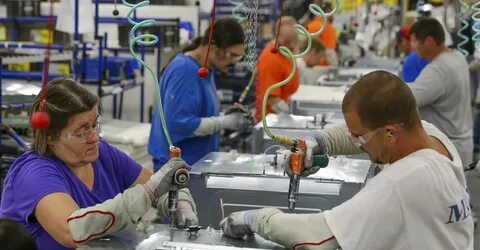
Germany is no longer just a beautiful country to visit. In 2026, it is one of the most aggressive job markets in the world for foreign worker and that also grant work visas to foreigners.
Not because it wants to be kind.
But because it has no choice.
The country is aging fast. Millions of workers are retiring. Entire industries are struggling to survive without new talent. And the truth is simple:
Germany needs foreign workers more than ever before.
If you have skills, experience, or professional training, this could be your moment.
But there is also a painful reality.
The internet is full of:
- Fake agents
- Fake promises
- Fake “visa sponsorship” offers
This guide is written to protect you, educate you, and show you the real path.
You will learn:
- Which companies in Germany really hire foreigners
- Which jobs actually qualify for work visas
- How visa sponsorship really works in Germany
- The difference between the Skilled Worker Visa and EU Blue Card
- How to avoid scams
- And how to position yourself for success in 2026
Let us start from the truth.
Why Germany Is Actively Recruiting Foreign Workers in 2026
Germany is facing a historic labor shortage.
Not in one sector.
Not in two sectors.
But across almost the entire economy.
The government itself openly explains this on the official Make it in Germany immigration portal, which is the main platform for foreign workers who want to live and work legally in Germany.
According to Germany’s own data, the country needs hundreds of thousands of workers every year in:
- IT and software
- Engineering
- Healthcare and nursing
- Construction and skilled trades
- Logistics and manufacturing
That is why Germany relaxed many immigration rules in 2024 and 2025.
By 2026, the door is even wider.
But open does not mean careless.
What “Visa Sponsorship” Really Means in Germany
Let us clear a very dangerous misunderstanding.
Germany does NOT work like the USA or Canada.
In Germany:
- Companies do not “buy” visas for you
- Companies do not submit visa applications for you
- You apply for your visa yourself
What companies do is:
- Give you a job offer or contract
- Provide documents for your visa application
- Sometimes help with relocation or housing
So when people say:
“This company sponsors visas in Germany”
What they really mean is:
“This company hires foreigners and supports their legal work visa process.”
This is good news.
It means thousands of companies can hire you, not just a few.
The Two Main Work Visa Paths You Must Understand
Before talking about companies, you must understand how people actually enter Germany to work.
1. The Skilled Worker Visa
This is for people who:
- Have a recognized qualification or training
- Or have proven professional experience
- And have a job offer from a German employer
It covers:
- Technicians
- Electricians
- Mechanics
- Nurses
- Factory specialists
- Many non-IT jobs
2. The EU Blue Card
This is for highly skilled professionals, especially:
- Software developers
- Engineers
- Doctors
- Scientists
- Data specialists
It requires:
- A higher salary
- A recognized qualification
But it offers:
- Faster permanent residence
- Easier family reunification
- Stronger long-term security
Germany explains this clearly on its official EU Blue Card page for foreign professionals.
Industries in Germany That Hire Foreign Workers the Most
In 2026, these sectors are desperate for workers:
- Information Technology (IT)
- Engineering and manufacturing
- Healthcare and elderly care
- Construction and skilled trades
- Logistics and transport
- Research and science
If your skills fall into any of these, your chances are much higher.Real Companies in Germany That Hire Foreign Workers
These are serious, established companies with a long history of international hiring.
They may not write “visa sponsorship” on their websites.
But they routinely employ non-EU workers and support their visas.

Comparison Table: Major Visa-Friendly Employers in Germany
| Company | Industry | Common Roles | Visa Route | English-Friendly |
|---|---|---|---|---|
| SAP | Software | Developers, Analysts | EU Blue Card | Yes |
| Siemens | Engineering | Engineers, Technicians | Blue Card / Skilled Worker | Yes |
| BMW | Automotive | Engineers, IT, Production | Skilled Worker | Partial |
| Bosch | Manufacturing | Engineers, Technicians | Blue Card / Skilled Worker | Partial |
| Amazon Germany | Tech / Logistics | IT, Operations | Skilled Worker | Yes |
| DHL | Logistics | IT, Logistics, Management | Skilled Worker | Yes |
| Volkswagen | Automotive | Engineers, Production | Skilled Worker | Partial |
| BASF | Chemicals | Engineers, Researchers | Blue Card | Partial |
| Zalando | E-commerce | IT, Data, Marketing | Blue Card | Yes |
SAP: One of the Best Employers for Foreign Professionals
SAP is Germany’s biggest software company.
They hire:
- Software developers
- Data engineers
- Cloud specialists
- Cybersecurity experts
Why SAP is great for foreigners:
- English is widely used
- They understand immigration processes
- They actively recruit internationally
Most foreign hires use the EU Blue Card route here.
Siemens: Engineering Jobs Across Every Sector
Siemens works in:
- Energy
- Infrastructure
- Automation
- Medical technology
They hire:
- Electrical engineers
- Mechanical engineers
- Software engineers
- Project managers
They have:
- Global HR systems
- Relocation support teams
- Deep experience with work visas
BMW, Volkswagen, and Bosch: The Industrial Backbone of Germany
These companies power Germany’s manufacturing economy.
They hire:
- Production engineers
- Automation specialists
- Mechatronics experts
- IT engineers
Important truth:
Many factory jobs require German.
But engineering and IT roles often do not.
Amazon Germany and Zalando: English-Friendly Tech Employers
These companies:
- Operate largely in English
- Hire international teams
- Understand relocation very well
They offer roles in:
- IT
- Data
- Operations
- Management
Healthcare and Care Homes: Huge Demand, But Language Matters
Germany urgently needs:
- Nurses
- Caregivers
- Medical technicians
But:
- Most roles require German language skills
- Qualification recognition is mandatory
Skilled Trades: A Powerful but Overlooked Opportunity
Germany also needs:
- Electricians
- Welders
- Plumbers
- Mechanics
- HVAC technicians
These often qualify under the Skilled Worker Visa.
How to Find Real Jobs and Avoid Scams
Avoid:
- “Pay us and we guarantee you a visa”
- “100% approval” promises
- WhatsApp agents without offices
Use:
- Company career pages
- Indeed Germany
- StepStone
- The Make it in Germany job portal
Golden rule:
Real employers do not sell jobs.
How the Process Usually Works
- You find a job
- You apply
- You pass interviews
- You get a contract
- You apply for your visa
- You move to Germany
Simple in theory.
Detailed in reality.
The Honest Pros and Cons of Working in Germany
The Good
- Strong salaries
- Excellent worker protection
- Permanent residence pathway
- Family reunification
- High quality of life
The Hard
- Slow bureaucracy
- Housing shortages
- Language barrier
- Cultural adjustmentHow Long Until Permanent Residence?
- EU Blue Card: 21 to 33 months
- Skilled Worker Visa: 4 to 5 years
Faster if you learn German.
Final Verdict: Is Germany Worth It in 2026?
Yes.
But only if you do it the right way.
Germany is not a miracle country.
It is a system that rewards preparation and seriousness.
If you build real skills, follow legal routes, and stay patient, it can change your life permanently.
Frequently Asked Questions
1. Do German companies pay for work visas?
No. You apply yourself. They only provide job documents.
2. Can I work in Germany without speaking German?
Yes, mainly in IT and engineering.
3. Is Germany still hiring foreigners in 2026?
Yes. The shortage is growing.
4. Which visa is better?
EU Blue Card if you qualify. Skilled Worker Visa if you do not.
5. Can I bring my family?
Yes. Both visas allow family reunification.