
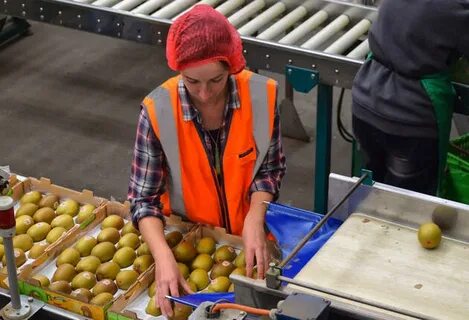
Germany’s agricultural sector faces persistent and severe labor shortages in fruit and vegetable harvesting, with farmers consistently struggling to recruit sufficient workers for seasonal picking operations. Despite producing substantial quantities of apples, strawberries, asparagus, cherries, and other crops, German agriculture cannot attract enough domestic workers for physically demanding, seasonal harvest work, creating ongoing dependence on foreign labor and recurring concerns about unharvested crops.
The disconnect between available positions and worker interest stems from challenging working conditions, seasonal employment patterns, modest compensation relative to other German opportunities, and limited appeal of agricultural work among German residents. Understanding this labor shortage context, available positions, compensation structures, and visa arrangements helps prospective workers assess fruit picking opportunities while recognizing why these jobs struggle to fill despite genuine need.
The German Agricultural Labor Crisis
German fruit and vegetable farms require approximately 300,000 seasonal workers annually for planting, harvesting, and processing operations. Domestic worker recruitment yields insufficient numbers, with less than 10% of needed workers coming from the German labor pool.
Eastern European workers, particularly from Poland and Romania, traditionally filled the majority of positions through EU freedom of movement. However, economic improvements in Eastern Europe and alternative opportunities have reduced willingness to work German harvests.
The COVID-19 pandemic exposed the sector’s vulnerability when border restrictions prevented seasonal worker entry, threatening crop losses and raising awareness of agriculture’s foreign labor dependence.
Farmers report difficulty filling positions despite active recruitment, increasing wages, and improving conditions. Many farms operate below capacity or leave crops unharvested due to insufficient labor rather than market or production constraints.
The structural shortage reflects German residents’ general unwillingness to accept seasonal agricultural work, even during economic downturns when other employment becomes scarce. Cultural attitudes toward manual agricultural labor contribute to persistent shortages.
 Types of Fruit and Vegetable Harvesting
Strawberry picking represents the most labor-intensive harvest, requiring workers to bend repeatedly selecting ripe berries during May through July. The physically demanding, piece-rate work offers potential for reasonable earnings but causes significant physical strain.
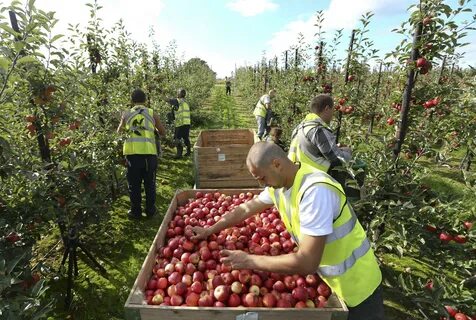
Apple harvesting from September through October involves working on ladders, carrying heavy bags, and maintaining quality standards for fruit destined for fresh markets or processing. The work requires physical fitness and careful handling.
Asparagus harvesting during April and May involves hand-cutting the delicate vegetables, often requiring early morning starts when temperatures are cool. White asparagus particularly demands careful harvesting to maintain quality.
Cherry picking during June and July requires ladder work in trees, selecting ripe fruit while avoiding damage. The elevated work and timing sensitivity make cherry harvests particularly challenging to staff adequately.
Grape harvesting for wine production in regions like Rhine Valley and Mosel combines physical labor with timing criticality. Harvest windows are narrow, creating compressed labor demand.
Vegetable harvesting including cabbage, lettuce, and other crops requires manual selection and cutting throughout growing seasons. Different crops create staggered labor needs across the agricultural calendar.
Compensation Structures and Earnings
Hourly wages for agricultural workers in Germany must meet minimum wage requirements, currently €12.41 per hour. Most fruit picking positions pay minimum wage or marginally above, typically €12 to €14 per hour.
Piece-rate payment based on quantity picked remains common, particularly for strawberries and other fruits where productivity varies significantly between workers. Efficient pickers can exceed minimum wage equivalent, while slower workers may struggle to reach hourly minimums.
Full-time seasonal work during peak periods involves 40-50 hours weekly, generating gross monthly earnings of approximately €2,000 to €2,800. These wages provide modest income by German standards.
Accommodation is often provided or arranged by employers, either on-farm housing or nearby lodging. Accommodation costs may be deducted from wages, though must remain reasonable under regulations.
Meals are sometimes provided or subsidized, reducing living costs for workers. Breakfast and lunch provision is common during workdays.
Social insurance contributions including health insurance and pension are mandatory, reducing take-home pay from gross wages. Foreign workers from EU countries maintain home country social insurance in many cases.
Annual earnings for full seasonal workers participating in multiple harvest periods can reach €12,000 to €18,000 for approximately 6-8 months work, limited by seasonal employment duration.
Why German Residents Avoid These Jobs
Physical demands including repetitive bending, lifting, working in weather extremes, and sustained manual labor throughout long days deter workers accustomed to less physically demanding employment.
Seasonal and temporary nature means no long-term job security or year-round income. German workers prefer permanent positions with stable employment and career progression.
Low wages relative to German cost of living and alternative employment options make fruit picking financially unattractive. Urban minimum wage jobs offer similar pay with better conditions.
Social perception of agricultural work carries limited prestige in German society. Manual agricultural labor is not culturally valued compared to trades, office work, or professional careers.
Remote rural locations distance work from urban amenities, social opportunities, and established communities. Many Germans are unwilling to relocate temporarily to rural agricultural areas.
Availability of unemployment benefits and social support means Germans without employment can receive support without accepting agricultural work, reducing desperation to take difficult seasonal positions.
Alternative employment options including delivery services, retail, hospitality, and warehouse work offer similar or better pay with less physical strain and more consistent hours.
Visa and Work Authorization for Foreign Workers
EU citizens enjoy freedom of movement, allowing unrestricted work in German agriculture without special authorization. Polish, Romanian, Bulgarian, and other EU nationals traditionally filled positions through this mechanism.
Seasonal worker visas enable non-EU nationals from certain countries to work in German agriculture for up to 90 days within a calendar year. These visas target traditional sending countries with bilateral agreements.
Western Balkan regulations facilitate agricultural worker recruitment from countries including Serbia, Bosnia, and North Macedonia through simplified procedures recognizing chronic shortages.
Agricultural worker programs through German employment authorities coordinate legal seasonal worker recruitment, though bureaucratic processes and limited quotas constrain numbers.
Student visas for international students in Germany permit limited agricultural work during semester breaks, providing supplementary income though not addressing core labor shortages.
Asylum seekers with work authorization can accept agricultural positions subject to approval processes. Some farms employ individuals from refugee backgrounds navigating asylum procedures.
Working Conditions and Challenges
Physically demanding labor creates high dropout rates, with many workers leaving within days after discovering the intensity of harvest work. The reality exceeds many workers’ expectations.
Weather exposure means working in heat, rain, cold mornings, and variable conditions without climate-controlled environments. Agricultural work occurs outdoors regardless of weather.
Accommodation quality varies significantly between employers. Some provide comfortable, clean housing while others offer substandard conditions contributing to worker dissatisfaction.
Long hours during peak harvest periods can extend beyond standard workdays, with some operations requiring 10-12 hour days when crops reach optimal harvest timing.
Isolation in rural locations limits social activities, entertainment options, and cultural amenities. Workers accustomed to urban environments find rural agricultural settings isolating.
Language barriers challenge non-German speaking workers in understanding instructions, safety procedures, and navigating daily life. Basic German or English capability helps but is not always available.
Exploitation risks exist with some employers violating wage regulations, providing inadequate housing, or failing to meet legal employment standards. Worker protections exist but enforcement varies.
Why the Shortage Persists
Economic development in Eastern Europe reduced incentives for workers to travel to Germany for agricultural work. Rising wages and improving conditions in home countries make temporary German agricultural employment less attractive.
Demographic factors including aging populations and declining birth rates reduce available labor pools throughout Europe, including traditional sending countries.
Competition from other sectors offering better conditions, more stable employment, and comparable or better wages draws potential workers away from agriculture.
Structural characteristics of agricultural work including seasonality, physical demands, and rural locations cannot easily change, maintaining inherent job unattractiveness.
Insufficient wage premiums fail to compensate for difficulties and disadvantages of agricultural work. Small increases above minimum wage prove insufficient to attract adequate workers.
Mechanization potential exists but cannot fully replace hand harvesting for many crops requiring gentle handling and quality assessment. Technology may eventually reduce labor needs but currently cannot solve shortages.
Efforts to Address Shortages
Wage increases above minimum requirements have been implemented by some farms, though financial constraints limit how much agricultural businesses can pay given thin profit margins.
Improved accommodation and working conditions aim to enhance job attractiveness, though costs of improvements strain farm finances.
Recruitment campaigns targeting domestic unemployed, students, and urban workers have yielded minimal results. Appeals to pick fruit receive little response from German residents.
Mechanization research and development seeks automated harvesting solutions, though successful implementation remains years away for most crops requiring selective harvesting.
Policy discussions about temporary worker programs, bilateral agreements, and streamlined visa procedures attempt to facilitate legal foreign worker recruitment.
Some farms diversify crop selection toward less labor-intensive varieties or shift to pick-your-own operations transferring harvesting labor to consumers.
International Worker Perspectives
Eastern European workers weigh German agricultural wages against improving home country opportunities. Many now prefer domestic employment or other EU destinations offering better conditions.
Non-EU workers from Western Balkans and other regions view seasonal agricultural work as temporary income opportunities, though interest varies with economic conditions in home countries.
Students and working holiday participants occasionally take agricultural work for short periods, though rarely for full seasons. The demanding nature limits appeal even for temporary income.
Long-term German residents including immigrant communities generally avoid agricultural work, preferring other employment sectors with better conditions and year-round opportunities.
Agricultural Sector Sustainability Concerns
Persistent labor shortages threaten German fruit and vegetable production sustainability. Farms may reduce plantings, abandon certain crops, or exit production if reliable labor remains unavailable.
Import dependency could increase as domestic production becomes uneconomical. Germany may increasingly rely on imported produce from countries with lower labor costs.
Food security considerations arise when domestic agricultural capacity declines. Policymakers debate implications of growing dependence on imports for basic food products.
Farm viability faces challenges when labor availability limits operations. Many family farms struggle to maintain businesses without assured workforce access.
Realistic Assessment for Prospective Workers
Fruit picking in Germany provides temporary income through physically demanding work, best suited to those comfortable with manual agricultural labor and rural living.
Earnings of €12 to €14 per hour generate modest income by German standards, insufficient for comfortable urban living but potentially useful for saving if accommodation is provided.
The work suits those seeking temporary employment between other opportunities, students during breaks, or individuals willing to work intensively for limited periods.
Career development and skill building are minimal in fruit picking. The work provides income but rarely leads to advancement or transferable skills.
Physical fitness and realistic expectations about working conditions are essential. Workers should understand the demanding nature before committing.
Conclusion
Fruit picking jobs in Germany persistently struggle to find workers despite genuine need for approximately 300,000 seasonal agricultural workers annually. The combination of physically demanding conditions, seasonal employment patterns, modest wages, rural locations, and limited social prestige makes these positions fundamentally unattractive to German residents.
Foreign workers from EU countries have traditionally filled positions, though improved conditions in Eastern Europe and alternative opportunities reduce willingness to accept German agricultural work. Non-EU workers access limited positions through seasonal worker visas and specific bilateral programs.
Earnings of €12 to €14 per hour and annual seasonal totals of €12,000 to €18,000 provide modest compensation for approximately 6-8 months of physically intensive work. For prospective workers, German fruit picking represents temporary income opportunities rather than attractive career pathways.
The structural disconnect between available positions and worker interest ensures shortages will persist absent fundamental changes in compensation, conditions, or automation. German agriculture’s chronic inability to attract sufficient labor reflects broader economic realities where alternative employment offers better conditions, and workers can afford to avoid difficult agricultural work despite farmer needs.