



published by: Mr. Babra
2026-11-14
Car Insurance Vehicle Comparison

Choosing the right car insurance policy is an important step toward protecting your vehicle and managing unexpected driving expenses. However, with numerous insurance providers offering different coverage options, premiums, discounts, and benefits, finding the right policy can be challenging. A car insurance vehicle comparison makes the process easier by helping drivers evaluate available insurance options and select coverage that meets their needs and budget.
Whether you are purchasing a new vehicle, renewing an existing policy, or switching insurance companies, comparing car insurance options can help you make a more informed purchasing decision.
Why Compare Car Insurance for Different Vehicles?
Not every vehicle costs the same amount to insure. Factors such as vehicle value, model, age, engine size, repair costs, safety features, and theft risk can influence insurance premiums.
For example, a newer luxury vehicle may require higher insurance premiums because replacement parts and repairs can be expensive. Meanwhile, an older vehicle with lower market value may qualify for more affordable coverage.
Comparing insurance costs across different vehicles helps you understand these differences before making a purchase. It also allows you to identify vehicles that offer a reasonable balance between purchase price, maintenance expenses, and insurance affordability.
What to Consider When Comparing Vehicle Insurance?
Before selecting an insurance provider, evaluate several important factors to ensure you receive suitable protection.
1. Insurance Coverage Options
Start by examining the coverage included in each policy. Third-party insurance generally covers liability for damage or injury caused to others, while comprehensive insurance offers broader protection, depending on the policy terms. Some comprehensive policies may cover theft, accidental damage, fire, and other specified risks.
Choose coverage based on your vehicles value, driving habits, financial circumstances, and local insurance requirements.
2. Premium Costs
Price is an important consideration when comparing car insurance. However, the cheapest quote is not always the best option. Review the annual or monthly premium alongside the coverage limits, deductibles, exclusions, and additional benefits.
Request quotes for the same vehicle and coverage level to make accurate comparisons.
3. Deductibles and Excess Payments
A deductible, sometimes called an excess, is the amount you may need to contribute toward an eligible claim. Policies with higher deductibles may have lower premiums, but they can increase your out-of-pocket expenses when an accident occurs.
Compare these amounts carefully before purchasing a policy.
4. Insurance Provider Reputation
A reliable insurance company should offer clear policy information, responsive customer support, and a straightforward claims process. Research customer reviews, claim-handling procedures, and the insurers financial stability before making your final decision.
5. Discounts and Additional Benefits
Some insurers offer discounts for eligible drivers, multiple vehicles, security features, or bundled insurance products. Additional benefits may include roadside assistance, towing services, rental vehicle coverage, and windscreen protection.
Compare these extras to determine whether they provide meaningful value.
How to Compare Car Insurance Quotes Effectively
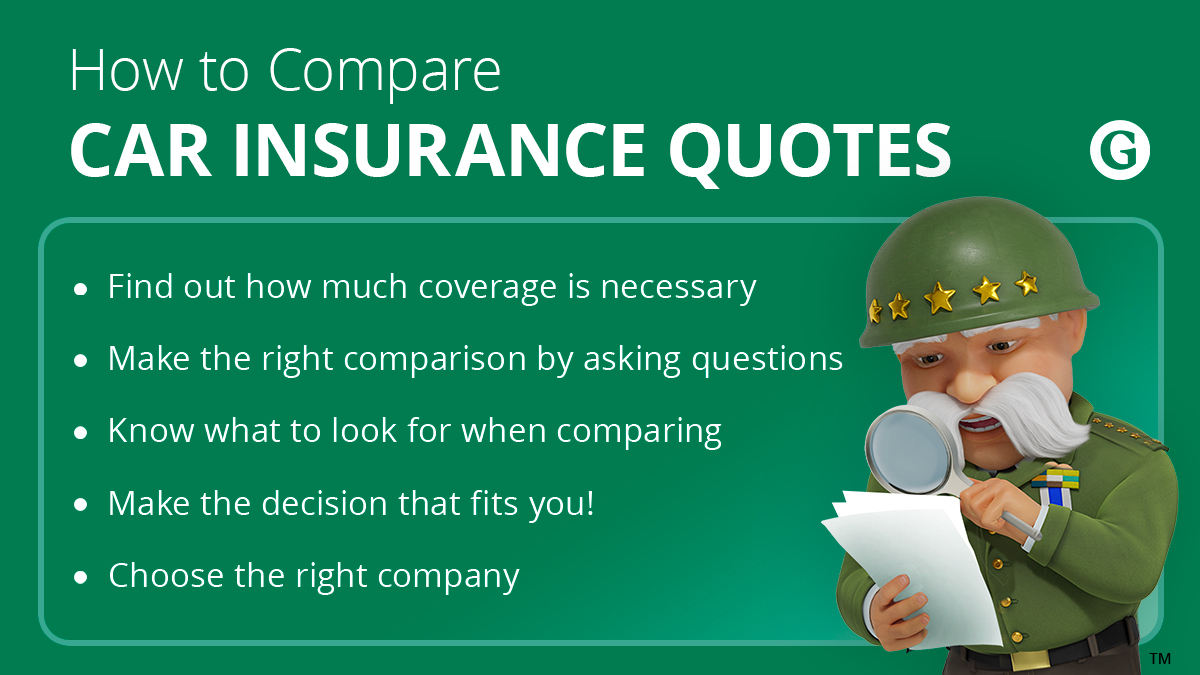
Finding competitive vehicle insurance does not have to be complicated. Follow these steps to simplify your search:
Gather vehicle information: Prepare your vehicles make, model, year, registration details, and estimated market value.
Determine your coverage needs: Decide whether you need third-party, third-party fire and theft, or comprehensive protection.
Request multiple quotes: Obtain estimates from different reputable insurance providers.
Compare policy details: Examine premiums, coverage limits, exclusions, deductibles, and optional benefits.
Check available discounts: Ask insurers whether you qualify for special pricing or additional benefits.
Review the final offer: Read the policy documents carefully before completing your purchase.
Using an online car insurance comparison platform can make this process faster by allowing you to review multiple available options in one place.
Is It Better to Insure an Older or Newer Vehicle?
The right choice depends on your financial situation and the vehicle you intend to drive. Newer vehicles may benefit from comprehensive insurance because their replacement and repair costs can be higher. Older vehicles may be less expensive to insure, although their condition, market value, and availability of replacement parts also matter.
When comparing vehicles, consider the total cost of ownership rather than focusing exclusively on the purchase price. Insurance premiums, fuel consumption, maintenance, and potential repair expenses all contribute to long-term affordability.
Get the Best Car Insurance Deal Today
Finding suitable vehicle insurance starts with comparing quotes from multiple providers. Instead of automatically choosing the lowest premium, look for a policy that combines competitive pricing, appropriate coverage, dependable customer service, and useful benefits.
Take advantage of online comparison tools to review available policies, understand your options, and identify potential savings. Before purchasing, confirm that the insurer is properly licensed and that the policy meets your protection requirements.
Start your car insurance vehicle comparison today. Request personalized quotes, compare coverage options, and choose a policy that provides the right balance of affordability and protection for your vehicle.

Car Insurance Vehicle Comparison
Automobile Insurance Quote Comparison

Compare Car Insurance: Find the Best Coverage at the Right Price
Car Insurance Vehicle Comparison
Driving Insurance Comparison

Best for Car Insurance