



published by: Mr. Babra
2026-11-14
Driving Insurance Comparison
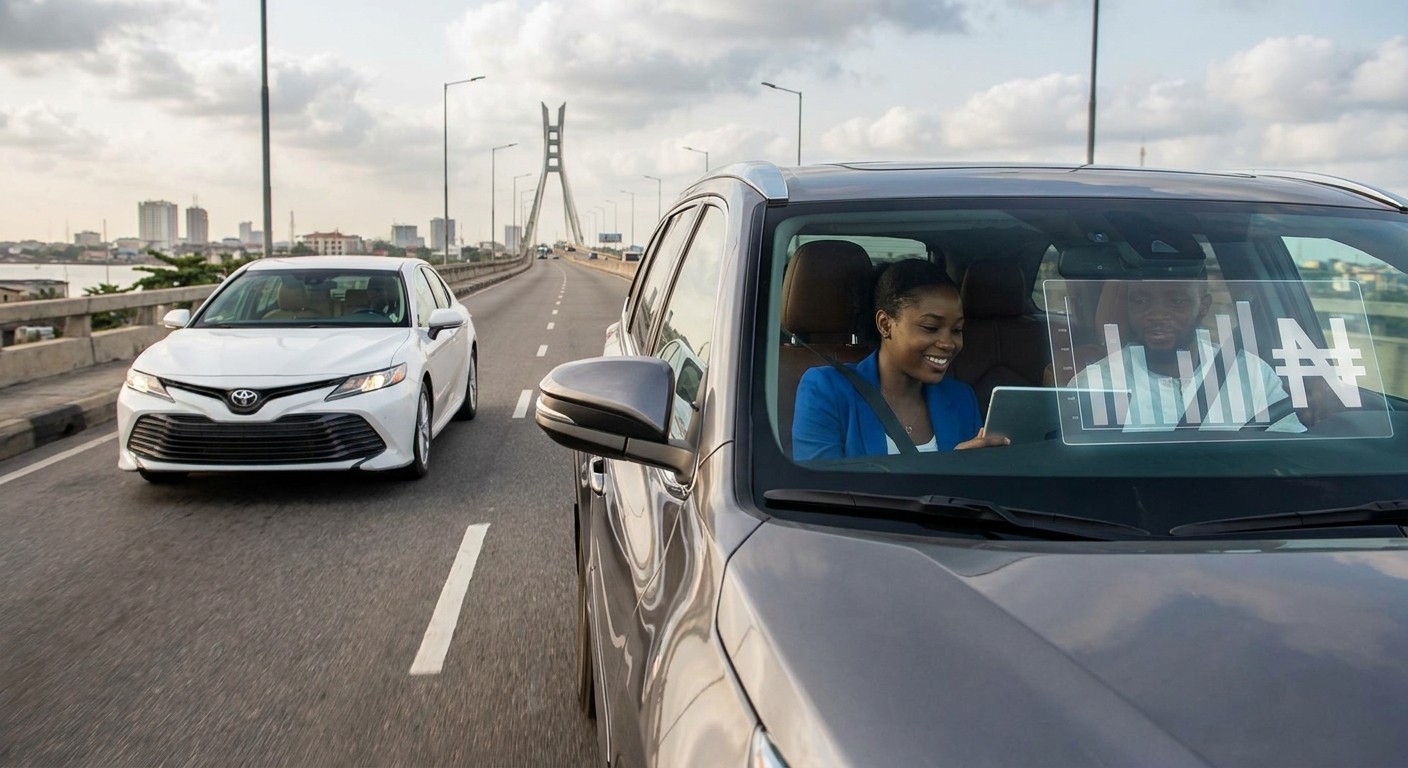
Selecting the right driving insurance policy is essential for safeguarding your vehicle, financial well-being, and peace of mind. Since many insurance companies offer varying premiums, coverage plans, discounts, and additional benefits, choosing the most suitable option can sometimes be difficult. However, carrying out a driving insurance comparison can help you discover cost-effective policies that provide the protection you need without overlooking important coverage.
Whether you are purchasing insurance for a newly acquired vehicle, renewing your current policy, or planning to move to another insurance provider, comparing different options can support a more informed buying decision. Rather than settling for the first inexpensive quote, evaluate several policies to determine which insurer offers the most value for your money.
Why Is It Important to Compare Driving Insurance Policies?
Comparing driving insurance policies gives motorists an opportunity to review different coverage options before making a financial commitment. Because insurance providers use different methods to calculate premiums, prices can vary considerably between companies, even when their policies offer similar benefits.
A proper comparison can help you:
Discover affordable insurance rates: Identify providers offering competitive premiums based on your vehicle and individual driving circumstances.
Compare policy benefits: Understand the protection included in each policy, along with applicable limitations and exclusions.
Identify potential discounts: Explore opportunities to reduce premiums through safe-driver rewards, bundled insurance plans, and special promotions.
Assess customer support: Find companies with responsive customer service, efficient claims assistance, and convenient policy management.
Reduce unnecessary costs: Avoid paying for additional coverage or features that do not match your actual insurance requirements.
Taking a little time to compare different quotations can make it easier to obtain suitable vehicle protection at a reasonable cost.
Different Types of Driving Insurance Coverage to Consider
Before requesting insurance quotations, familiarize yourself with the common coverage categories. Understanding their differences allows you to compare policies based on the protection they provide rather than concentrating only on their prices.
1. Third-Party Liability Insurance
Third-party liability insurance typically protects you against covered legal responsibilities arising from injuries or property damage caused to other individuals during an accident. Coverage is subject to the insurers terms and applicable regulations. It is generally a basic option for motorists looking for essential protection while meeting legal insurance requirements.
2. Comprehensive Motor Insurance
Comprehensive motor insurance offers more extensive protection than basic third-party coverage. Depending on the policy, benefits may include protection against damage to your vehicle, theft, fire, and third-party liabilities. Always examine the policy documents to understand the specific benefits, conditions, and exclusions.
3. Collision Coverage
Collision coverage helps cover eligible repair or replacement costs when your insured vehicle is damaged in a collision with another vehicle or an object. The amount payable depends on your coverage limits, deductibles, and policy conditions. This option can provide additional financial security for vehicle owners.
4. Personal Accident Coverage
Personal accident coverage is another benefit available through certain insurance providers. It may offer financial compensation for qualifying accidental injuries or death, subject to specified conditions and benefit limits. Check the coverage details and eligible beneficiaries before including this protection in your policy.
Understanding these insurance categories makes it easier to choose a suitable combination of coverage, protection, and affordability.
How to Compare Driving Insurance Quotes Successfully
Choosing a suitable insurance company involves more than identifying the provider with the lowest advertised premium. Consider the following steps to make a more effective comparison.
Step 1: Prepare Your Vehicle Details
Start by gathering important information about your car, such as its manufacturer, model, production year, registration details, and estimated market value. Insurance companies consider these details when evaluating vehicle risks and determining your premium.
Step 2: Obtain Quotes From Different Insurers
Request quotations from several established insurance companies or use a reputable online insurance comparison service. Ensure you provide the same information to every provider to make the resulting quotations easier to compare.
Step 3: Examine Coverage Limits
Check the maximum compensation available for different categories of insurance claims. Although a policy with a lower premium may appear attractive, reduced coverage limits could leave you paying more out of pocket following an accident.
Step 4: Check Deductibles and Policy Exclusions
Find out how much you would need to contribute toward an eligible insurance claim. Carefully review exclusions, applicable waiting periods, and other policy restrictions that could influence your protection.
Step 5: Evaluate Each Insurance Provider
Research the insurers reputation, financial strength, customer feedback, claims-handling procedures, and accessibility of customer support. These factors can help you identify companies that offer dependable insurance services.
Step 6: Choose the Most Suitable Policy
After reviewing your available quotations, select the insurance plan that provides an appropriate balance of competitive pricing, comprehensive benefits where needed, and reliable customer service.
What Influences the Cost of Driving Insurance?
Understanding the factors that determine motor insurance premiums can help you make better decisions when selecting coverage.
Some important considerations include:
Vehicle model and market value: Cars with higher purchase prices or expensive replacement parts may attract higher insurance premiums.
Driving record: Previous accidents, traffic-related incidents, and insurance claims can affect the amount you pay.
Geographical location: Insurance rates may vary depending on local accident statistics, vehicle theft levels, and traffic conditions.
Type of coverage: Comprehensive insurance usually costs more than basic third-party liability protection.
Vehicle usage: Cars used for private transportation may have different insurance requirements from vehicles used for commercial purposes.
Deductible amount: Selecting a higher deductible may lower your premium, but you will have a greater financial responsibility when submitting an eligible claim.
Always provide truthful and complete information when applying for insurance to prevent complications with policy issuance or future claims.
Important Things to Consider When Selecting an Insurance Provider
The most suitable driving insurance company is not automatically the one offering the lowest quotation. A trustworthy insurer should provide transparent pricing, understandable policy documents, accessible customer assistance, and an efficient claims settlement process.
Before making a purchase, verify that the insurance provider is licensed and authorized to offer motor insurance in your country. Examine customer experiences and enquire about approved repair facilities, claim requirements, available payment methods, and policy renewal terms.
For motorists purchasing insurance in Nigeria, it is equally important to confirm that the provider complies with applicable National Insurance Commission (NAICOM) regulations and that the selected policy meets relevant Nigerian motor insurance requirements.
How to Get Better Value From Your Driving Insurance Comparison
Finding affordable motor insurance should not require you to compromise on essential protection. You can improve the value of your policy by asking insurers about available discounts, comparing renewal quotations, and reviewing your coverage whenever your vehicle or driving habits change.
Be cautious about selecting insurance based exclusively on attractive promotional prices. Certain introductory offers may include restrictions, additional fees, or exclusions that reduce the overall benefits of the policy.
For better purchasing confidence, request detailed written quotations and carefully read the complete policy terms before accepting an offer.
Compare Driving Insurance Quotes and Find Suitable Coverage Today
Securing affordable and dependable vehicle insurance begins with comparing your available options. A detailed driving insurance comparison gives you the opportunity to assess premiums, coverage limits, exclusions, additional benefits, and customer service before choosing an insurance provider.
Whether you are looking for essential third-party liability protection or a more extensive comprehensive insurance plan, evaluating multiple quotations can help you find coverage that matches your financial situation and driving needs.
Take the next step toward protecting your vehicle and finances. Compare driving insurance policies today, request personalized quotes from reputable providers, and select a suitable insurance plan that gives you greater confidence and peace of mind whenever you drive.
Driving Insurance Comparison

Car Insurance Vehicle Comparison
Car Insurance Vehicle Comparison
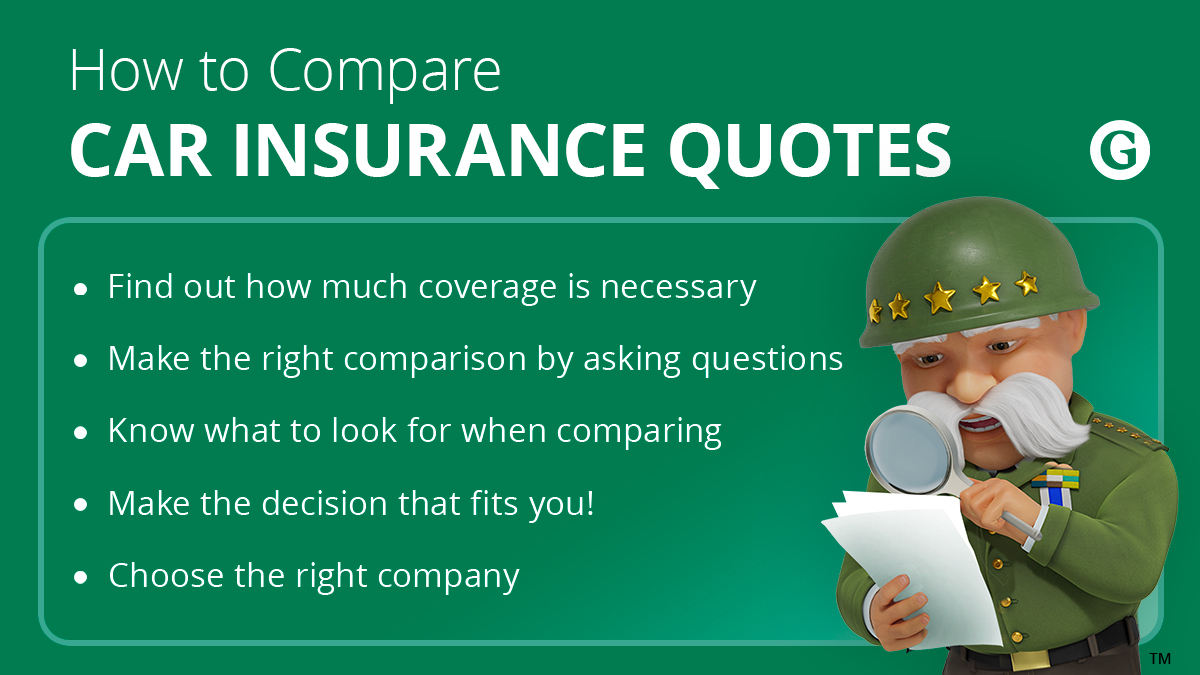
Automobile Insurance Quote Comparison

Compare Car Insurance: Find the Best Coverage at the Right Price

Best for Car Insurance