



published by: Mr. Babra
2026-11-15
Co Compare Car Insurance

Finding reasonably priced car insurance can be difficult because insurance companies offer different premiums, levels of protection and policy features. Whether you are arranging cover for the first time or approaching your renewal date, reviewing several insurance options can help you find suitable protection at a competitive price. Taking the time to co compare car insurance policies gives you an opportunity to assess different insurers, examine their benefits and discover deals that meet your individual requirements.
Instead of accepting the first quotation you come across, exploring multiple offers provides a better understanding of the available insurance market. A careful comparison can help you control your insurance costs, obtain dependable coverage and feel more confident about your choice.
Why Is It Important to Co Compare Car Insurance?
Insurance companies consider several factors when determining car insurance premiums. These include your vehicles make and model, driving experience, location, annual mileage, claims record and selected level of protection. As a result, different providers can charge different prices for policies offering similar coverage.
A car insurance comparison platform simplifies the process by allowing you to examine multiple quotations in one place. Rather than visiting several insurance providers individually, you can submit your information and review a selection of available deals.
Some important benefits of comparing car insurance include:
Affordable insurance options: Find providers offering competitive premiums based on your circumstances.
Flexible coverage: Explore comprehensive, third-party and third-party fire and theft insurance.
Extra policy features: Compare optional benefits such as breakdown assistance, courtesy vehicles and legal expenses protection.
Time savings: Access several quotations without contacting every insurer separately.
Better purchasing decisions: Examine policy details and understand what you are paying for before choosing.
Comparing different policies makes it easier to find a suitable balance between insurance costs and the protection you require.
Understand the Different Types of Car Insurance
Before purchasing a policy, familiarise yourself with the main categories of car insurance available in the UK. Each option offers a different degree of protection, making it important to select coverage that suits your vehicle and financial circumstances.
Comprehensive Car Insurance
Comprehensive insurance offers a broad level of protection, generally covering damage to your own vehicle as well as injury to other people and damage to their property. Depending on the insurer and policy conditions, additional benefits may also be available.
Although comprehensive cover provides extensive protection, it does not always come with the highest premium. Comparing different providers can help you discover affordable comprehensive insurance deals.
Third-Party Car Insurance
Third-party insurance represents the minimum level of cover legally required for driving on UK roads. It provides protection against liability for injuries to other people and damage to their property. However, it does not cover damage to your own vehicle.
Third-Party, Fire and Theft Insurance
This policy combines basic third-party protection with cover for vehicle theft and fire damage. It can be an alternative for motorists who want additional protection without choosing a comprehensive policy.
When reviewing these insurance categories, consider policy exclusions, excess charges and included benefits instead of making your decision based entirely on price.
How to Compare Car Insurance Quotes Successfully
Finding a suitable insurance deal involves more than choosing the cheapest quotation. A few essential steps can help you identify a policy that offers appropriate protection and good value.
1. Provide Correct Personal and Vehicle Details
Begin by entering accurate information about your vehicle, driving experience, postcode, estimated annual mileage and intended vehicle use. Incorrect details can affect the validity of your quotation and potentially create complications when making a claim.
2. Request Quotes from Different Insurers
Compare quotations from several insurance providers rather than limiting your search to one company. Reviewing multiple offers allows you to identify differences in premiums, coverage and policy benefits.
3. Evaluate Available Policy Features
Look beyond the basic insurance coverage and check for additional benefits such as windscreen protection, courtesy cars, personal belongings cover, breakdown assistance and legal expenses. Consider whether these extras justify any additional costs.
4. Understand Your Insurance Excess
Your excess represents the amount you are responsible for paying towards an eligible claim. Increasing your voluntary excess may reduce your premium, but make sure the total amount remains affordable if you need to make a claim.
5. Read the Insurance Conditions
Carefully examine the policy documents, including exclusions, limitations and claim requirements. Understanding these conditions before purchasing helps you avoid unexpected costs and ensures the insurance meets your expectations.
Which Factors Influence Car Insurance Prices?
Several circumstances can affect how much you pay for car insurance. Your age, driving experience and previous claims history are important considerations for many insurers. Your no-claims discount may also influence the premium you receive.
Vehicle-related factors include the cars age, make, model, engine size and security features. Insurers may also consider where the vehicle is kept overnight, how frequently it is driven and its estimated annual mileage.
Additionally, the type of driving you undertake can affect your quotation. For example, social driving, commuting and business use may involve different insurance requirements.
Providing complete and accurate information allows insurers to calculate quotations that reflect your circumstances more appropriately.
Practical Ways to Find Cheaper Car Insurance
There are several steps you can take to improve your chances of finding competitive insurance prices without compromising important protection.
Start shopping around before your current policy expires instead of automatically accepting your insurers renewal quotation. Compare the available offers and check whether another provider offers better value.
Make sure your annual mileage estimate is realistic and remove optional extras that you do not need. You can also investigate whether suitable vehicle security improvements could help reduce your insurance costs.
Maintaining a good driving record and preserving your no-claims discount can be beneficial when requesting future quotations.
It is also worth comparing annual and monthly payment arrangements, as paying in instalments may involve additional interest or charges.
Remember that the cheapest policy is not necessarily the best choice. Always consider the quality and extent of protection included.
Compare Car Insurance Quotes and Choose the Right Policy
Finding suitable vehicle insurance becomes easier when you understand your options and compare offers from different providers. By taking the time to co compare car insurance quotations, you can identify competitive premiums, explore different coverage levels and evaluate additional benefits before making a purchase.
Whether you need comprehensive protection, third-party insurance or a policy with extra features, comparing available deals can help you make a more informed decision.
Start comparing car insurance quotes today, assess the available policies and select an option that combines competitive pricing, suitable coverage and dependable protection.

Car Insurance Vehicle Comparison
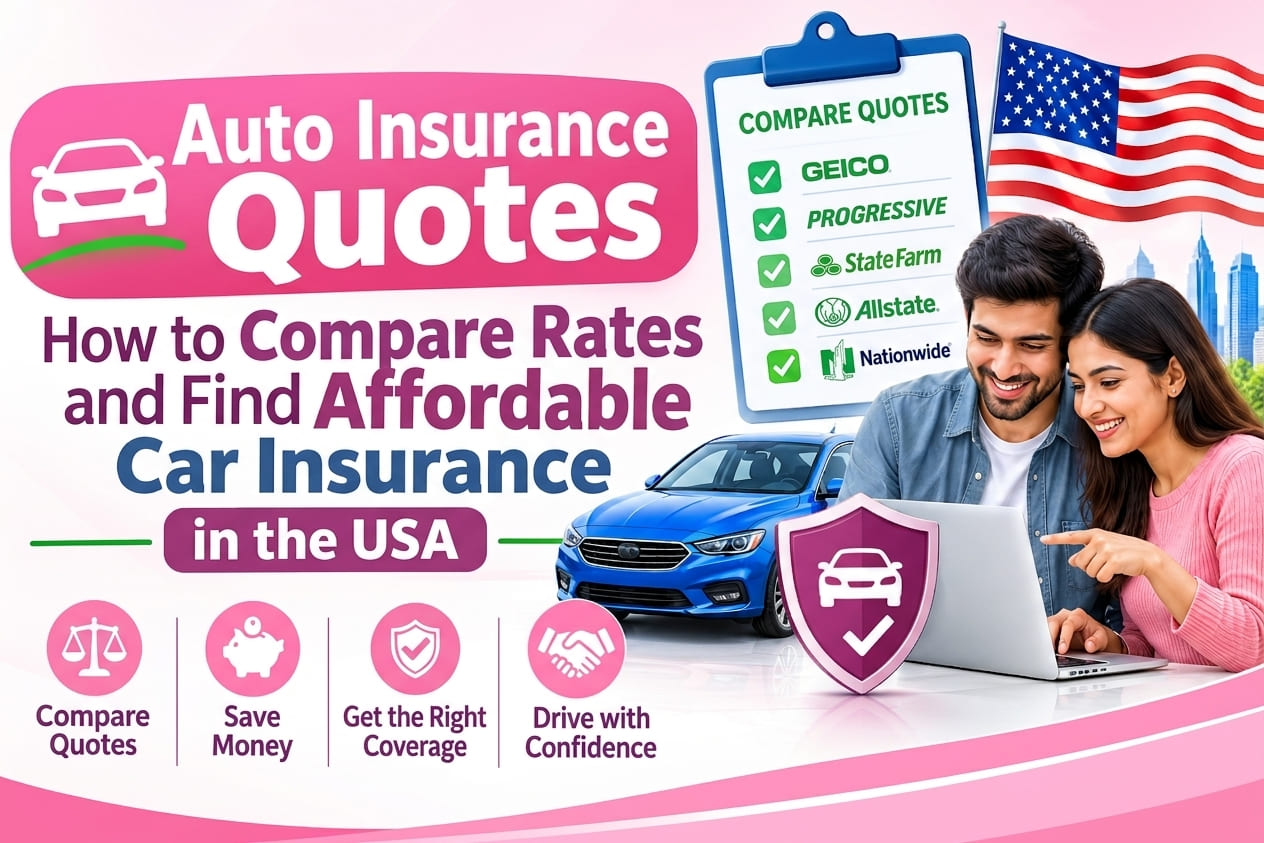
Compare Automobile Insurance Quotes
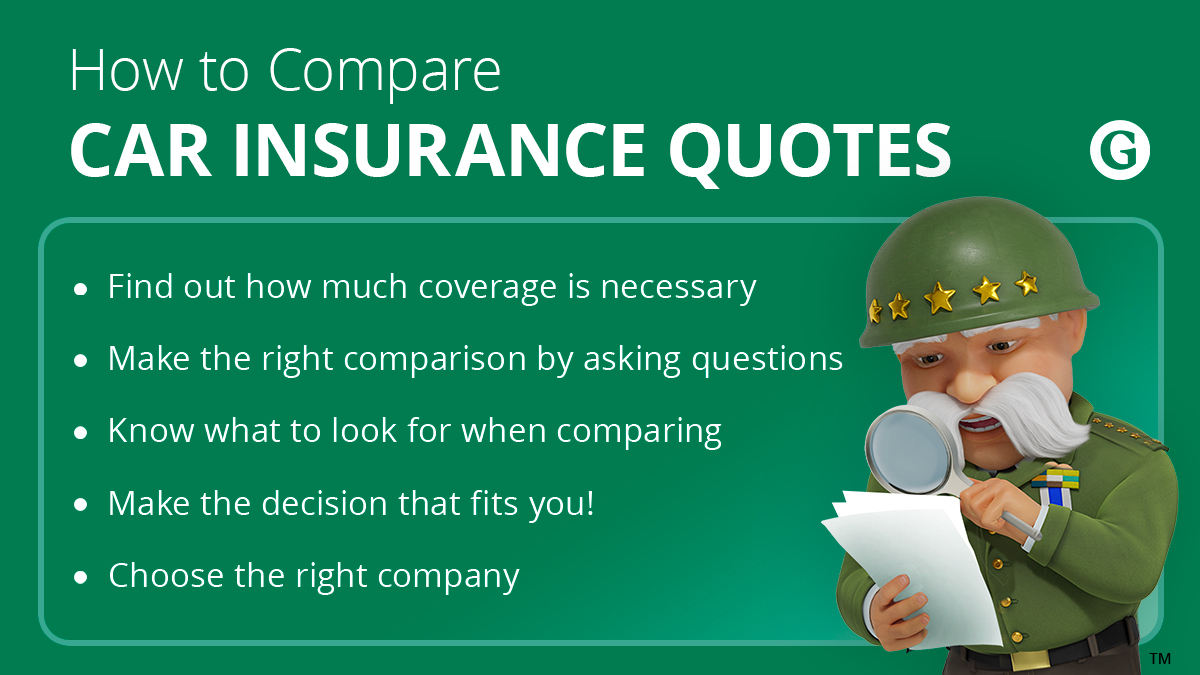
Automobile Insurance Quote Comparison

Best for Car Insurance
Driving Insurance Comparison
Co Compare Car Insurance

Car Insurance Vehicle Comparison
.jpeg)
Compare Insurance Car UK: Find Affordable Cover That Meets Your Needs

Compare Car Insurance: Find the Best Coverage at the Right Price

Car Insurance Vehicle Comparison