



published by: Mr. Babra
2026-11-15
Car Insurance Vehicle Comparison

Selecting an appropriate car insurance policy is an essential responsibility for every motorist. Since insurance companies provide varying prices, protection levels, policy conditions and extra benefits, finding coverage that offers good value can require careful consideration. Fortunately, a car insurance vehicle comparison allows you to review different insurance plans, assess their advantages and discover affordable options that fit your financial needs.
Whether you are insuring a recently purchased car, renewing your current coverage or exploring alternative insurance companies, comparing policies can make the selection process easier. Rather than settling for the first quotation available, evaluating several offers helps you identify suitable protection at a price you can comfortably afford.
Why Is It Important to Compare Insurance for Different Vehicles?
Every vehicle comes with its own insurance considerations. Characteristics such as its market value, manufacturing year, engine capacity, model, maintenance expenses and security systems can influence the cost of insurance. Consequently, a policy that offers excellent value for one car might not be the most appropriate choice for another.
Carrying out a comprehensive vehicle insurance comparison gives you an opportunity to see how different providers calculate premiums and determine coverage requirements. It also helps you identify insurance packages that provide essential benefits without unnecessary additions.
Requesting quotations from multiple insurers can help you:
Discover affordable premiums from different providers.
Evaluate available insurance coverage levels.
Identify exclusions and restrictions within policies.
Compare excess amounts and additional expenses.
Explore valuable extras, including roadside assistance.
Select protection that suits your vehicle and driving requirements.
Examining these details before purchasing insurance helps you make a sensible choice rather than concentrating exclusively on the lowest quotation.
Understand the Different Car Insurance Options
Before requesting quotations, familiarising yourself with the available insurance categories can help you identify the most suitable protection. Each policy type comes with different benefits and limitations.
Comprehensive Car Insurance
Comprehensive coverage typically offers an extensive range of insurance benefits. Depending on the providers terms, it may protect against damage to your vehicle, third-party property damage, theft, fire and certain accidental losses.
Although this type of insurance can involve higher premiums, its wider protection may make it worthwhile for owners of newer, valuable or expensive-to-repair vehicles.
Third-Party Car Insurance
Third-party insurance provides protection against specified liabilities involving injury to other people or damage to their property. However, it generally does not pay for damage to your own vehicle.
Drivers looking for a more affordable insurance arrangement may consider this option, subject to local legal requirements and the coverage provided by the insurer.
Third-Party, Fire and Theft Insurance
This insurance category combines third-party liability protection with additional cover for qualifying fire-related damage and vehicle theft.
It may suit motorists who want protection beyond basic third-party insurance but do not require a comprehensive policy. Always examine the policy conditions to understand exactly what is covered.
Understanding these coverage differences makes it easier to select an insurance package that corresponds with your expectations.
What Determines the Cost of Vehicle Insurance?
When performing a car insurance vehicle comparison, it is useful to understand the information insurers consider when calculating premiums.
The vehicles manufacturer, model, age and estimated market value can affect the quotation you receive. Cars that require expensive replacement components or specialised repairs may attract higher insurance costs than vehicles with more affordable maintenance requirements.
Your driving experience and previous insurance history can also influence pricing. Depending on the provider, previous claims, driving records and length of driving experience may affect the premium.
Other relevant considerations include annual mileage, where the vehicle is parked, security arrangements and whether the car is used for personal or business purposes.
Always provide complete and accurate information when requesting quotations. Incorrect or misleading details could affect your insurance protection and complicate future claims.
How to Compare Car Insurance Quotes and Find Suitable Deals
Choosing an insurance policy involves more than identifying the lowest premium. You should consider the overall benefits, limitations and financial value of each available option.
Begin by entering your vehicle details and other required information into a trusted insurance comparison platform. Alternatively, request quotations directly from several insurance companies. Once the results become available, identify policies that meet your preferred coverage requirements.
Next, examine the protection included in each quotation. Compare excess payments, policy exclusions, coverage limits, optional benefits and claims procedures. These conditions can make a considerable difference when you need to use your insurance.
You should also establish whether additional services come as standard or require extra payments. Features such as courtesy vehicles, windscreen protection, legal assistance and roadside recovery could provide additional convenience.
Before purchasing, investigate the insurers reputation, customer service standards and approach to handling claims. A provider offering reliable support and transparent policy conditions may offer better long-term value.
Ways to Reduce Your Car Insurance Expenses
Finding affordable vehicle insurance does not mean compromising on important protection. Several practical steps may help you obtain more competitive quotations.
Compare insurance offers before your existing policy expires instead of automatically renewing with the same company. Consider whether your estimated annual mileage is accurate and remove optional benefits that do not provide meaningful value.
You can also compare different voluntary excess arrangements, ensuring that the amount remains financially manageable if you make a claim.
Keeping your vehicle secure, maintaining accurate insurance records and developing a positive driving history may also improve your chances of receiving competitive quotations.
Most importantly, avoid choosing a policy simply because it has the lowest price. Inadequate coverage and restrictive exclusions could result in greater financial difficulties later.
Find the Right Car Insurance Policy Today
Choosing suitable vehicle protection becomes easier when you have access to reliable comparison information. A thorough car insurance vehicle comparison helps you examine insurance providers, assess available benefits and identify policies that offer competitive premiums.
Start comparing car insurance quotations today to discover suitable options for your vehicle. Carefully review the costs, coverage details, exclusions and additional benefits before completing your purchase.
Whether you are considering comprehensive insurance or basic third-party protection, comparing multiple policies can help you make a confident purchasing decision and secure coverage that offers the right combination of affordability and protection.
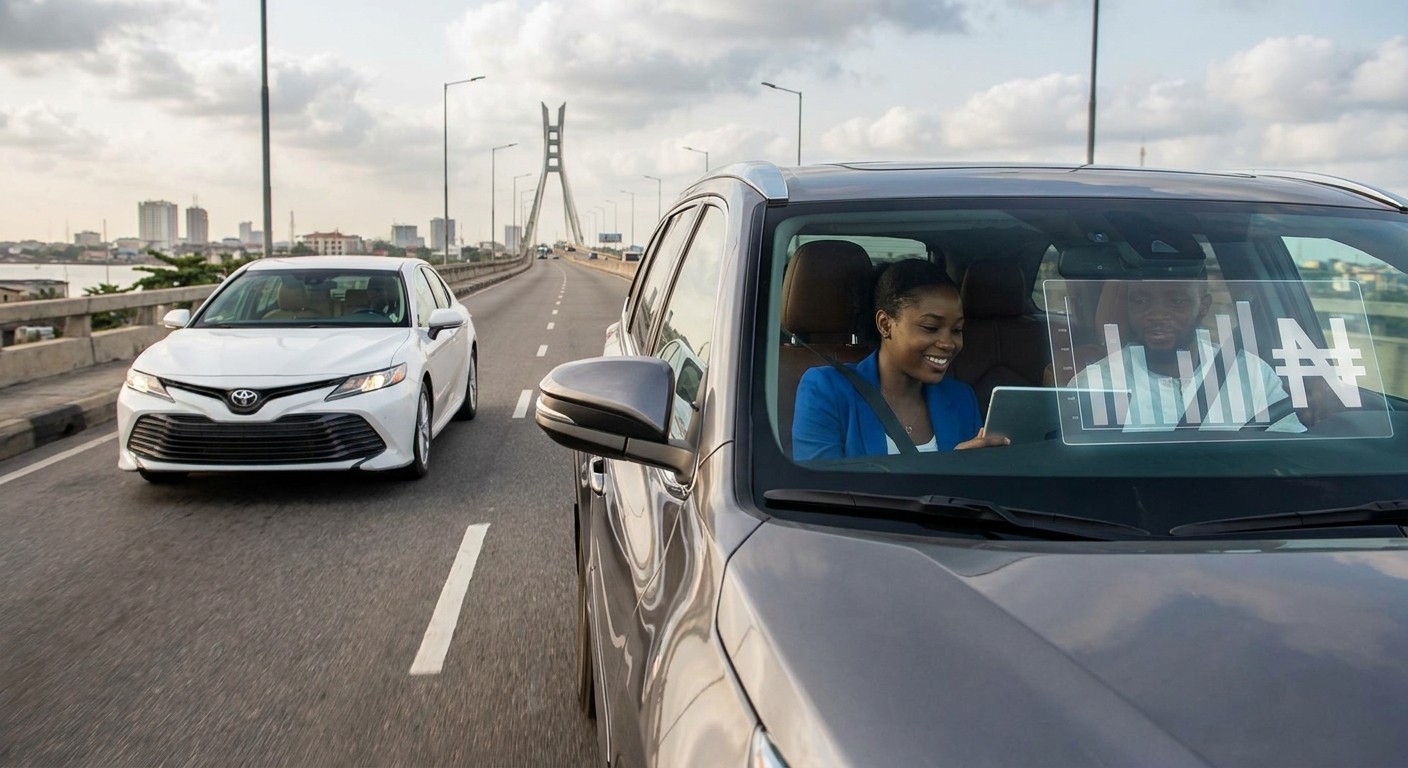
Driving Insurance Comparison

Car Insurance Vehicle Comparison
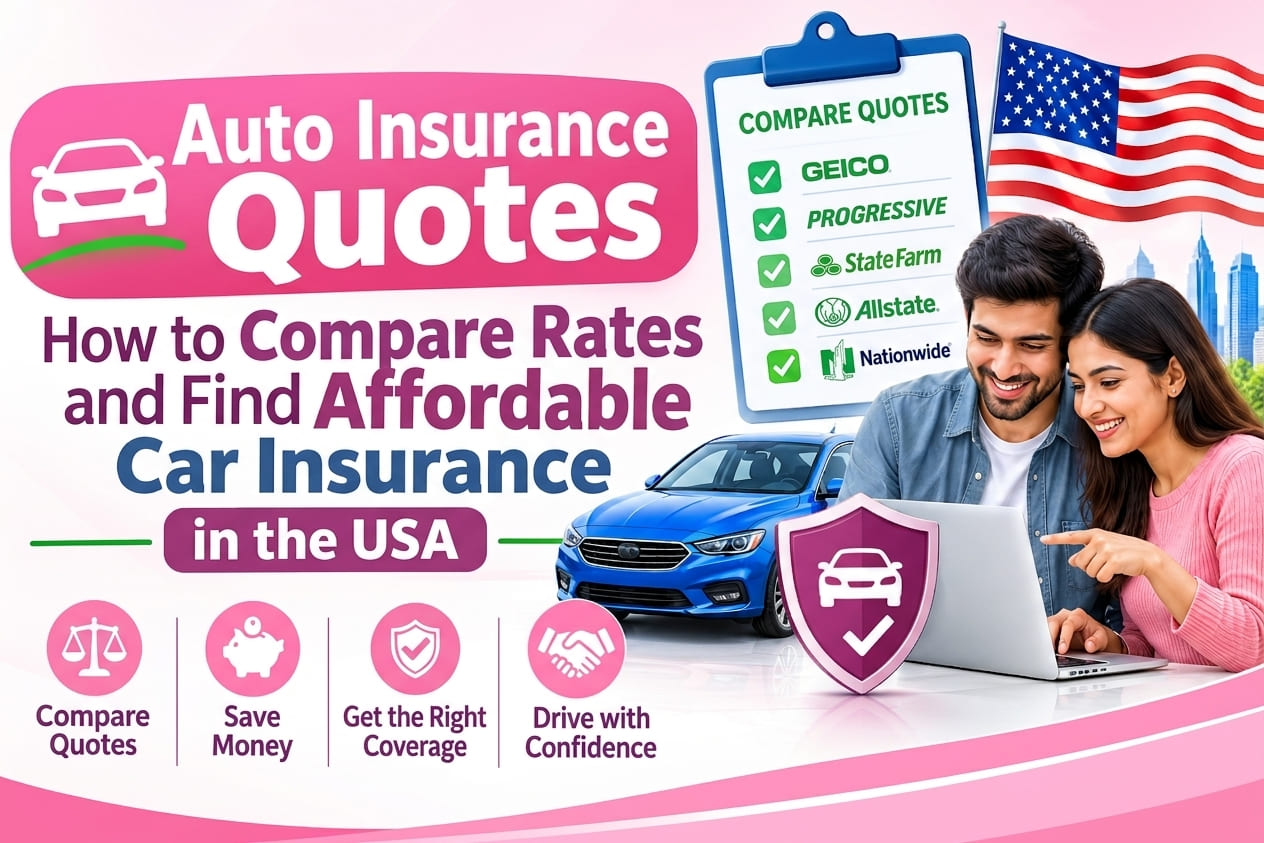
Compare Automobile Insurance Quotes

Best for Car Insurance
.jpeg)
Compare Insurance Car UK: Find Affordable Cover That Meets Your Needs
Car Insurance Vehicle Comparison
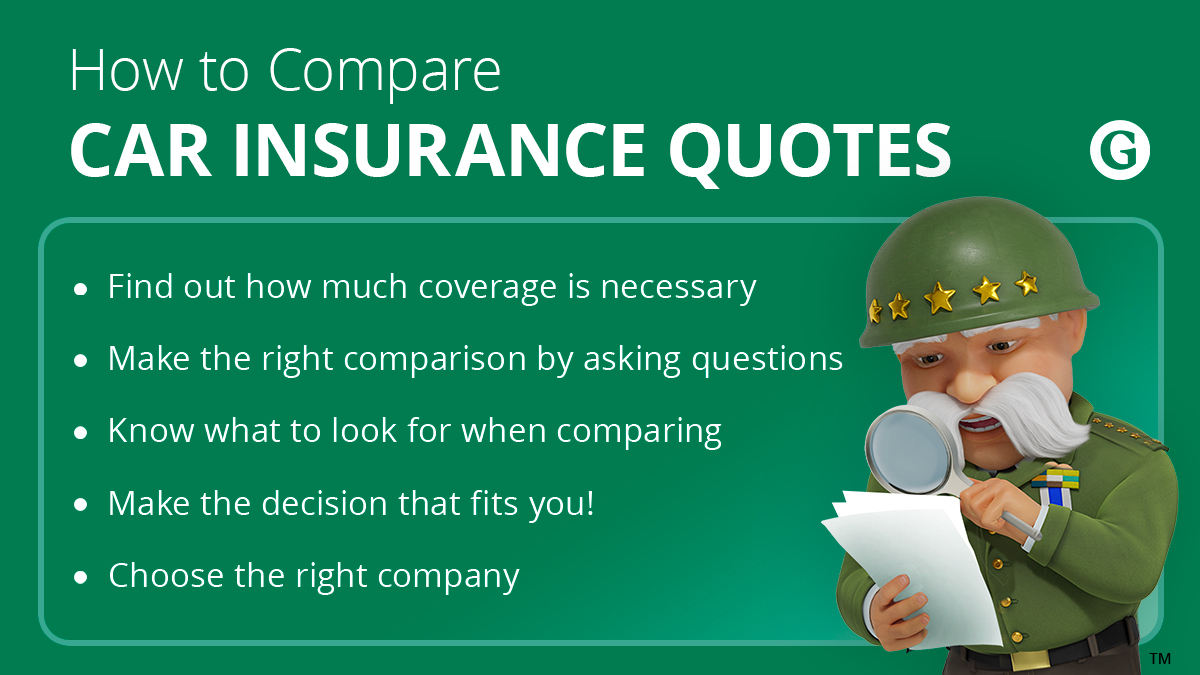
Automobile Insurance Quote Comparison

Car Insurance Vehicle Comparison

Co Compare Car Insurance

Compare Car Insurance: Find the Best Coverage at the Right Price