



published by: Mr. Babra
2026-11-15
Compare Automobile Insurance Quotes
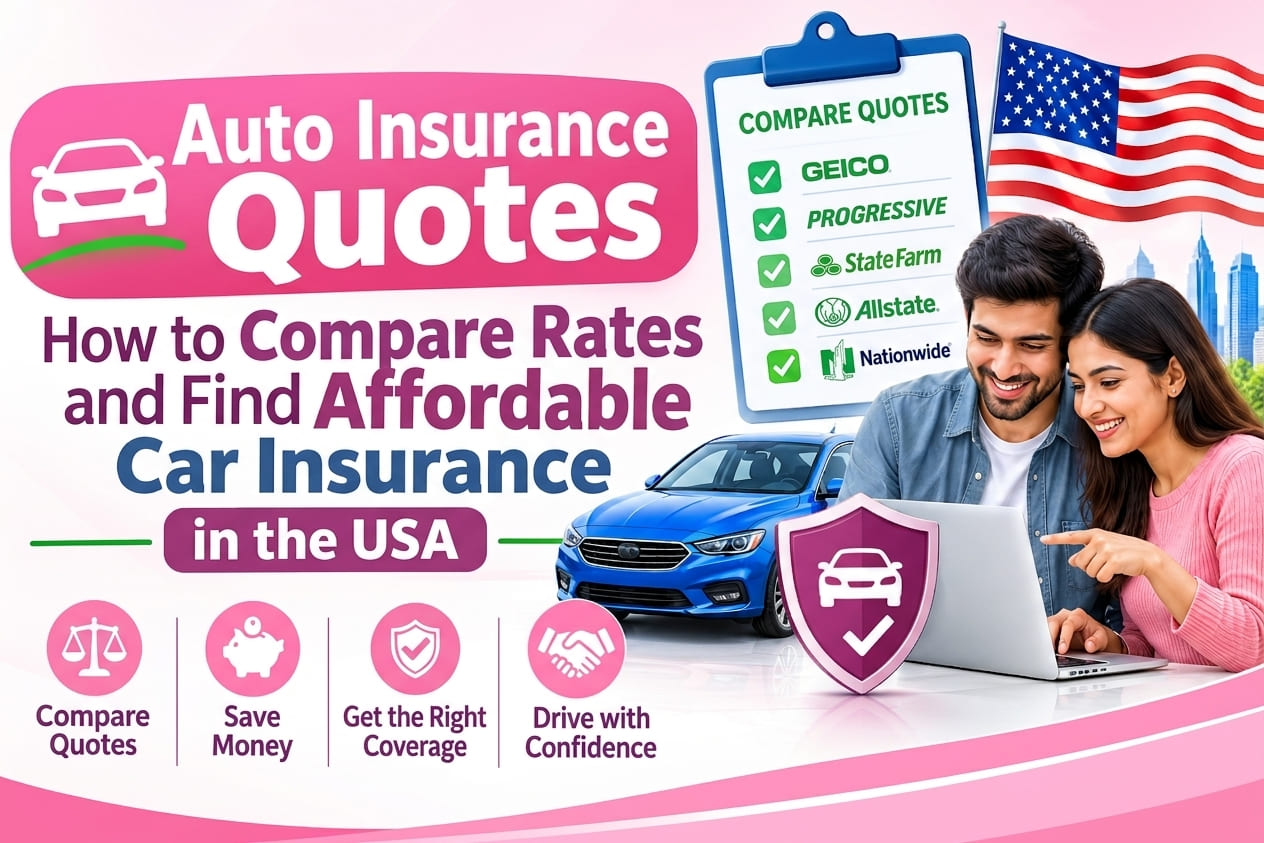
Finding the right automobile insurance policy does not need to be a stressful or costly experience. Since insurance providers offer varying prices, protection levels, policy features and special discounts, identifying the most suitable option can require careful research. However, taking the time to compare automobile insurance quotes gives drivers an opportunity to assess different policies, understand their benefits and discover affordable coverage before committing to a purchase.
Whether you have recently purchased a vehicle, need to renew your current insurance or want to move to another insurance company, reviewing multiple quotations can help you make a smarter financial choice. Rather than settling for the first offer available, you can examine several options and find a policy that combines reasonable pricing with adequate protection.
Why Is It Important to Compare Automobile Insurance Quotes?
Insurance prices often differ from one company to another, even when customers request similar coverage. This is because insurers use various criteria to determine premiums, including the vehicles make and model, the drivers experience, geographical location, expected annual mileage and selected insurance package.
Reviewing multiple quotations helps you understand how these factors affect pricing while identifying potential savings. It also gives you the opportunity to explore policies offering attractive benefits, convenient payment options and appropriate coverage limits.
However, finding the cheapest insurance should not be your only priority. A policy with a lower premium might provide limited protection, fewer additional services or higher expenses when submitting a claim. Examining the full policy terms helps you determine whether the price represents genuine value.
Important Factors to Examine When Comparing Insurance Policies
Before choosing an automobile insurance provider, consider the following features to ensure that your selected policy meets your expectations.
1. Available Coverage Types
Begin by understanding the different insurance packages available. Common options include third-party liability, third-party fire and theft, and comprehensive automobile insurance. Third-party policies generally cover specified liabilities involving other people, whereas comprehensive insurance offers wider protection, subject to its conditions, limitations and exclusions.
Select a coverage option that suits your vehicles market value, financial position and protection requirements.
2. Insurance Premiums
Your insurance premium represents the amount charged for maintaining your policy. When reviewing different quotations, pay attention to the complete cost rather than being attracted by an unusually low advertised price.
Certain companies may offer inexpensive starting rates while applying additional charges or excluding valuable benefits. Request a clear breakdown of the costs to understand what you will actually pay.
3. Deductibles and Excess Charges
A deductible or excess refers to the contribution you may be required to make towards an eligible insurance claim. Although choosing a higher excess can sometimes reduce your premium, it also means accepting greater financial responsibility when making a claim.
Compare these charges across available policies before deciding which offer provides better overall value.
4. Optional Policy Benefits
Additional services can make an insurance package more attractive. Depending on the provider, these may include roadside assistance, emergency support, vehicle recovery services and replacement vehicle arrangements.
Consider whether these features are useful for your circumstances and determine whether they come with the standard policy or require additional payment.
Steps to Compare Automobile Insurance Quotes Online
Online insurance comparison services have made it easier for motorists to explore different coverage options without contacting every insurance company separately. By submitting your details through a comparison platform, you can review available offers and identify policies that match your requirements.
Here are some steps to follow:
Submit your vehicle details: Enter the necessary information, including your cars manufacturer, model, production year and registration details.
Provide relevant driver information: Complete the requested details about your driving history, location and other factors used to calculate premiums.
Choose your coverage requirements: Identify whether third-party protection or comprehensive insurance is more appropriate for your needs.
Evaluate different quotations: Examine prices alongside coverage limits, exclusions, excess charges and included benefits.
Investigate insurance providers: Review customer experiences, claims support and company reputation to assess reliability.
Select a suitable policy: Choose an offer that provides appropriate protection, clear conditions and competitive pricing.
Always provide accurate and consistent information when requesting quotations. This helps ensure that the prices you receive are relevant to your circumstances.
Practical Ways to Secure Affordable Automobile Insurance
Finding reasonably priced automobile insurance requires more than simply selecting the cheapest available option. Making informed choices can help you control expenses while maintaining suitable coverage.
Start by requesting quotations from several insurance companies. Since providers use different methods to assess risk, their prices may vary considerably for similar coverage. Comparing multiple offers increases your chances of identifying a competitive deal.
It is also worthwhile to enquire about available discounts. Depending on eligibility, some insurers provide special savings to qualifying motorists, customers purchasing multiple insurance products or drivers who meet specific requirements.
Review your insurance requirements periodically as well. Changes in your vehicle, driving frequency or annual mileage may influence the coverage that makes sense for you.
Additionally, avoid waiting until the last minute to renew your policy. Comparing renewal offers with quotations from other providers gives you time to evaluate alternatives and decide whether switching companies could provide better value.
Mistakes to Avoid When Comparing Automobile Insurance
Although obtaining insurance quotations is relatively simple, overlooking important details can lead to an unsuitable purchase.
One mistake is choosing a policy exclusively because it has the lowest premium. An inexpensive package might contain restrictive conditions, lower coverage limits or substantial excess payments. Always examine the complete policy documentation.
Providing inaccurate information is another issue to avoid. Incorrect vehicle specifications or driver details may affect your quotation and create difficulties if you need to make a claim.
Furthermore, pay attention to policy exclusions, cancellation requirements and claim procedures. Understanding these conditions before purchasing helps you avoid unexpected complications later.
Compare Automobile Insurance Quotes and Find the Right Deal
Selecting suitable automobile insurance starts with exploring the options available to you. When you compare automobile insurance quotes, you can assess different providers, examine their coverage packages and identify competitive premiums that fit your financial requirements.
Whether you are purchasing insurance for the first time, renewing an existing policy or searching for a better alternative, an online comparison service can simplify the process.
Start exploring automobile insurance quotations today. Compare available prices, examine policy benefits and choose reliable coverage that offers the protection you need at a competitive cost.

Best for Car Insurance

Co Compare Car Insurance

Compare Car Insurance: Find the Best Coverage at the Right Price
Compare Automobile Insurance Quotes
.jpeg)
Compare Insurance Car UK: Find Affordable Cover That Meets Your Needs
Driving Insurance Comparison
Automobile Insurance Quote Comparison

Car Insurance Vehicle Comparison
Car Insurance Vehicle Comparison

Car Insurance Vehicle Comparison