



published by: Mr. Babra
2026-11-16
Motor Insurance Comparison
.jpeg)
Finding suitable motor insurance is essential for safeguarding your vehicle and preparing for unforeseen driving-related costs. Since insurance companies offer varying prices, protection levels and policy advantages, identifying the right option can require careful research. Carrying out a motor insurance comparison provides a convenient way to investigate different insurance products, assess their benefits and find reasonably priced cover that suits your individual requirements.
Whether you have recently purchased a vehicle, need to renew your current insurance or want to move to another provider, comparing motor insurance quotations can support a more informed choice. Rather than accepting the first deal presented to you, reviewing several offers allows you to identify a policy that combines affordability, reliable protection and useful services.
Why Is Comparing Motor Insurance Policies Important?
Insurance companies use different methods and factors when determining premiums. Consequently, the cost of coverage and the benefits provided can differ significantly from one insurer to another. Exploring multiple policies helps you understand these variations and select an appropriate option before making a financial commitment.
An important benefit of comparing motor insurance is the possibility of reducing your insurance expenses. Obtaining quotations from several providers allows you to discover attractive prices and avoid spending unnecessarily on coverage that other companies may offer at a lower cost. Nevertheless, choosing an insurance policy should involve more than looking at the cheapest premium.
Comparing policies also gives you an opportunity to investigate coverage restrictions, compensation limits, exclusions, optional services and claims requirements. Considering these details helps you find suitable financial protection instead of selecting an inexpensive policy that may not provide sufficient coverage.
Understand the Different Types of Motor Insurance
Before requesting insurance quotations, familiarise yourself with the common categories of motor insurance. Understanding what each policy covers can help you determine which option is appropriate for your vehicle and financial circumstances.
Third-Party Insurance
Third-party insurance offers basic liability protection when you cause injury to another person or damage someone else property. However, it generally does not compensate you for damage to your own vehicle. It can be a suitable consideration for motorists looking for essential insurance protection.
Third-Party, Fire and Theft Insurance
This policy provides additional benefits beyond conventional third-party coverage. In addition to liability protection, it generally covers vehicle loss or damage caused by theft and fire, depending on the terms and conditions established by the insurer.
Comprehensive Motor Insurance
Comprehensive motor insurance offers a wider range of protection, usually covering third-party liabilities and accidental damage to your insured vehicle. Depending on the selected policy, additional features may include windscreen protection, emergency assistance and other useful benefits.
When reviewing these coverage categories, consider your vehicle value, potential financial risks and the exclusions associated with each policy.
How to Find Affordable Motor Insurance Quotes
Getting competitive insurance prices begins with collecting quotations from different insurance providers. Many companies offer online quotation facilities, allowing motorists to receive estimated premiums after submitting relevant personal and vehicle information.
Consider the following steps when searching for suitable coverage:
Collect your vehicle details: Have information about your cars manufacturer, model, registration and manufacturing year available before requesting quotations.
Enter accurate driver information: Provide relevant details about your driving experience, previous claims and how frequently you use your vehicle.
Determine your coverage requirements: Establish whether basic third-party protection or more extensive comprehensive insurance is appropriate.
Compare several quotations: Request offers from multiple insurance companies to identify differences in premiums and policy benefits.
Examine the terms and conditions: Review coverage limits, exclusions, excess payments and additional services before selecting an insurer.
Choose the most suitable deal: Purchase a policy that provides the protection you require at a reasonable and affordable price.
Always ensure that the information submitted during the quotation process is complete and correct. Inaccurate details may affect your insurance agreement or cause difficulties when submitting a claim.
Key Features to Evaluate During Motor Insurance Comparison
Although the premium is an important consideration, several other policy features determine whether an insurance deal represents good value.
Insurance Premium: Examine the complete cost of the policy, including applicable taxes, administrative expenses and other charges.
Coverage Amount: Check the maximum compensation available for different insured events and determine whether the limits provide adequate protection.
Policy Exclusions: Read the exclusions carefully to understand circumstances in which the insurer may decline a claim.
Excess or Deductible: Establish how much you must contribute towards an eligible claim before the insurance company pays the remaining covered amount.
Claims Support: Investigate the insurers claims procedures, documentation requirements and available customer assistance.
Optional Policy Benefits: Consider additional services such as roadside assistance, replacement vehicles and windscreen protection. Establish whether these features come with the standard policy or attract additional charges.
Reviewing these elements allows you to distinguish genuinely valuable insurance products from policies that advertise low prices but provide limited benefits.
Factors That Influence Motor Insurance Premiums
Several considerations determine how much a motorist pays for insurance. Understanding these factors can explain why quotations from different companies may vary.
Vehicle characteristics, including its age, manufacturer, model, engine capacity and market value, can influence the premium. Vehicles with higher repair or replacement costs may attract more expensive insurance coverage.
Other considerations include the drivers experience, previous insurance claims, geographical location and intended use of the vehicle. The selected coverage category and applicable excess can also affect the final amount payable.
To identify competitive insurance opportunities, provide reliable information, maintain a good driving record and investigate quotations from several providers before purchasing a policy.
Benefits of Using an Online Motor Insurance Comparison Platform
Online comparison platforms make finding suitable vehicle insurance more convenient. Instead of visiting different insurance company websites individually, motorists can use comparison services to investigate available offers, evaluate coverage features and identify potentially affordable policies.
These platforms also make it easier to narrow down available choices according to individual requirements, saving time and simplifying the insurance selection process.
Before completing a purchase, however, verify the final quotation, policy documentation and coverage conditions with your chosen insurance company.
Compare Motor Insurance and Find Suitable Cover Today
Securing appropriate vehicle protection becomes easier when you understand the available insurance options. A thorough motor insurance comparison enables you to assess different providers, examine their coverage benefits and discover competitive premiums.
Whether you are interested in basic third-party insurance or broader comprehensive protection, evaluating multiple quotations can help you make a better purchasing decision.
Start comparing motor insurance offers today, explore the available coverage options and select a reputable provider that meets your protection requirements and budget. By making an informed choice, you can obtain suitable insurance coverage while managing your motoring expenses more effectively.
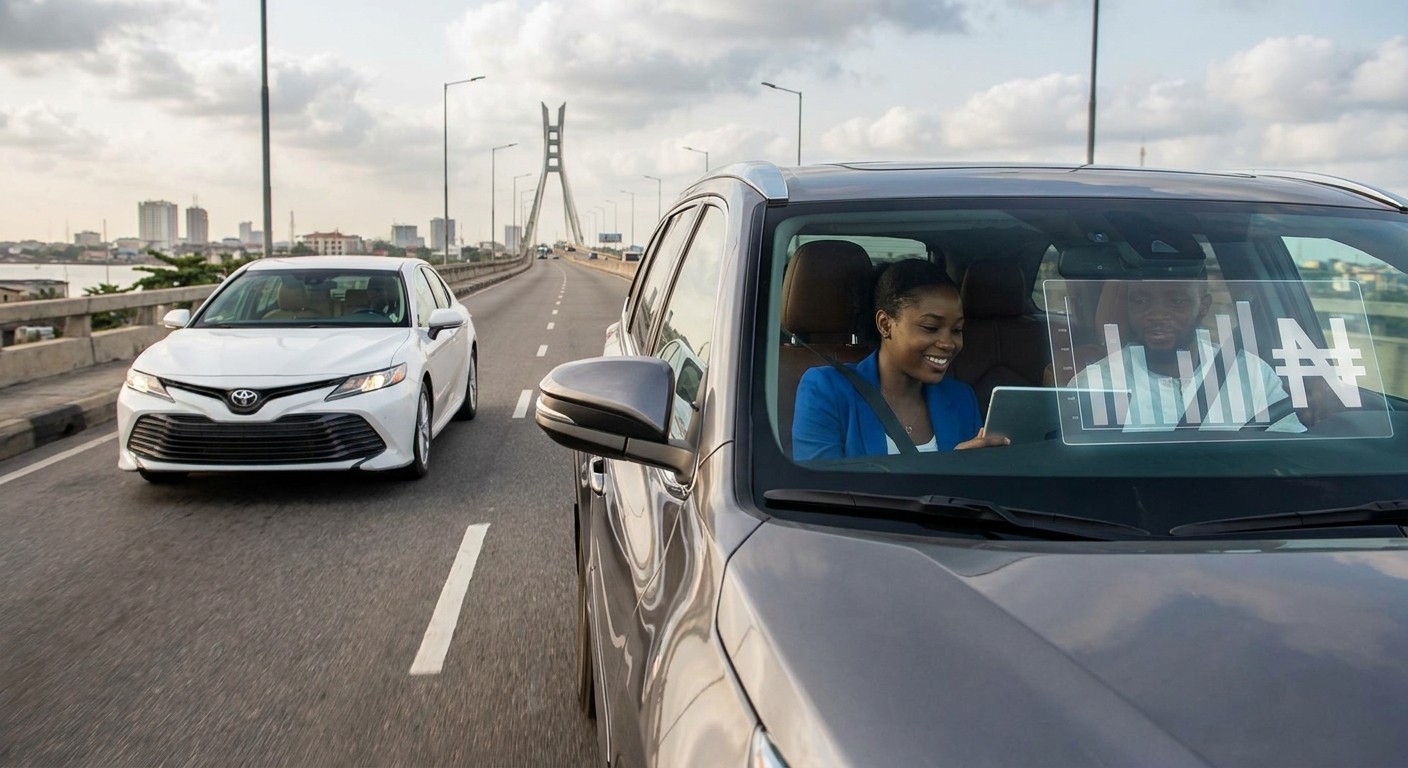
Driving Insurance Comparison

Gocompare Car Insurance

Best Car and Auto Insurance: A Complete Guide to Finding Affordable and Reliable Coverage
.jpeg)
Compare Insurance Car UK: Find Affordable Cover That Meets Your Needs
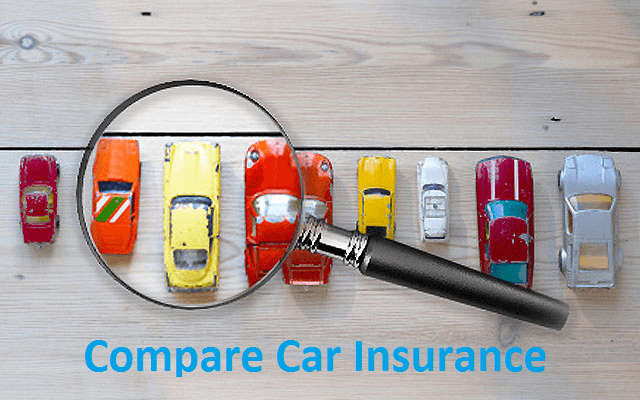
Compare Car Insurance: Find Affordable Cover That Meets Your Needs
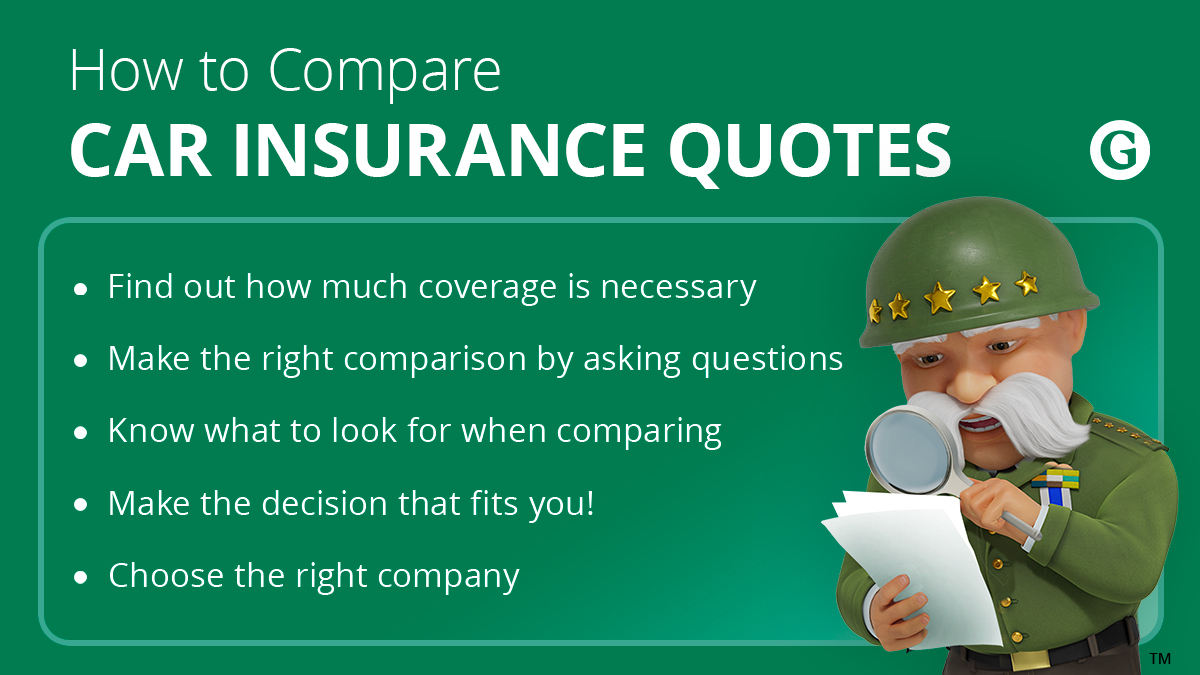
Automobile Insurance Quote Comparison

Car Insurance Vehicle Comparison
Motor Insurance Comparison
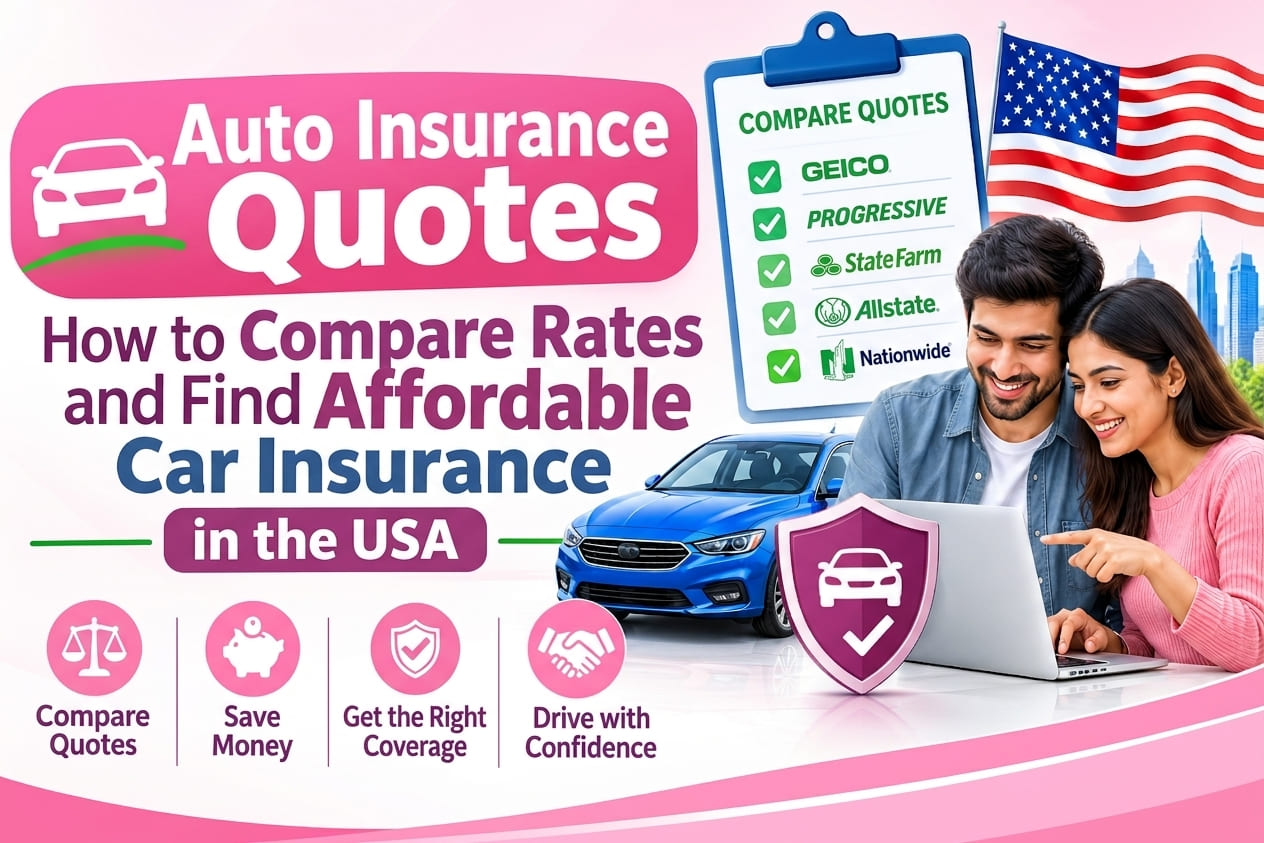
Compare Automobile Insurance Quotes

Car Insurance Vehicle Comparison