



published by: Mr. Babra
2026-11-20
Insurance Quotes for Vehicles
Looking out for the right vehicle insurance at a competitive price is an important part of responsible vehicle ownership. Whether you own a car, SUV, pickup truck, van or motorcycle, obtaining insurance quotes for vehicles can help you understand your coverage options and identify policies that fit your budget. With different insurance companies offering varying premiums, benefits and deductibles, comparing quotes is a practical way to make a more informed purchasing decision.
Vehicle insurance provides financial protection against certain unexpected expenses resulting from accidents, theft, property damage and other covered incidents. By exploring multiple insurance providers, drivers can evaluate available policies and choose coverage that meets their needs without paying unnecessarily high premiums.
What Are Insurance Quotes for Vehicles?
Insurance quotes for vehicles are estimates of how much an insurance company may charge to provide coverage for a particular vehicle and driver. These estimates are calculated using several factors, including the vehicles make and model, driving history, location, age, annual mileage and the type of insurance coverage requested.
A vehicle insurance quote typically outlines the estimated premium, coverage limits, deductibles and optional benefits associated with a policy. Although quotes provide valuable information, the final price may change after the insurer verifies the information submitted during the application process.
Obtaining several quotes allows drivers to compare insurance costs and policy features before committing to a particular provider.
Why Compare Vehicle Insurance Quotes?
Comparing insurance quotes can help vehicle owners discover competitive premiums and avoid purchasing coverage that does not meet their requirements. Insurance companies assess risk differently, meaning the same driver and vehicle may receive different prices from multiple providers.
Some insurers may offer attractive rates for experienced drivers, while others may provide competitive pricing for newer vehicles, low-mileage motorists or customers with particular driving profiles.
A quote comparison can also reveal differences in policy benefits, customer service, claims handling and optional coverage. Instead of focusing exclusively on the cheapest premium, drivers should consider the overall value of each insurance policy.
Types of Vehicle Insurance Coverage
Understanding the available insurance options can make it easier to select appropriate protection.
Third-party liability insurance: This coverage generally helps pay for injuries or property damage caused to other people when the insured driver is legally responsible for an accident. It may be the minimum required coverage in certain jurisdictions.
Comprehensive vehicle insurance: Comprehensive policies can provide broader protection, potentially including damage to the insured vehicle caused by accidents, theft, vandalism, fire and other covered events. The exact benefits depend on the policy terms.
Collision coverage: Collision insurance may help pay for repairs to the insured vehicle following a collision, regardless of fault, subject to the policy conditions and deductible.
Uninsured or underinsured motorist coverage: Depending on the location and policy, this coverage may help protect drivers when an accident involves someone who has insufficient insurance or no insurance.
Selecting the right coverage depends on the vehicles value, financial circumstances, local insurance requirements and personal preferences.
Factors That Affect Vehicle Insurance Quotes
Insurance companies use various details to calculate premiums. Understanding these factors may help drivers identify opportunities to obtain more competitive insurance rates.
Vehicle type is an important consideration. Cars with expensive replacement parts, higher repair costs or greater theft risks may attract higher premiums. Similarly, the drivers experience, claims history and previous insurance record can influence the estimated cost.
Location may also affect pricing because insurers consider accident frequency, traffic conditions, vehicle theft rates and other regional risks. Annual mileage, vehicle usage and selected coverage limits can further influence the final quote.
Deductibles are another important factor. Choosing a higher deductible may reduce the premium, but it also means paying more out of pocket when making an eligible claim.
How to Find Affordable Vehicle Insurance
Drivers looking for affordable insurance should consider comparing quotes from several reputable insurers. Providing accurate information about the vehicle, driving history and intended usage helps ensure that the quotes are meaningful.
Reviewing coverage limits and optional benefits is equally important. Some additional features may be useful, while others may not be necessary for every vehicle owner. Comparing policies with similar coverage levels makes it easier to identify genuine savings.
Maintaining a good driving record, choosing a vehicle with reasonable insurance costs and exploring available discounts may also help reduce premiums. Depending on the insurer, discounts could be available for safe driving, multiple vehicles, bundled policies or eligible security features.
What to Check Before Buying a Policy
Before selecting a vehicle insurance policy, carefully review the coverage limits, exclusions, deductibles and payment terms. Check whether the policy includes roadside assistance, rental vehicle reimbursement, accident forgiveness or other optional benefits.
It is also advisable to understand how claims are processed, which repair facilities are available and whether the insurer has clear procedures for reporting accidents.
The lowest quote may not always provide the best financial protection. A slightly higher premium could offer more useful benefits, better coverage limits or a lower deductible.
Get Vehicle Insurance Quotes Today
Obtaining insurance quotes for vehicles is a straightforward way to explore available coverage and compare prices from different insurance companies. By reviewing premiums, policy benefits, deductibles and exclusions, drivers can make informed decisions about protecting their vehicles and managing insurance expenses.
Whether you are insuring a newly purchased vehicle, renewing an existing policy or considering a different insurer, comparing multiple quotes can help you find suitable coverage at a competitive price. Take time to review your options, evaluate the value of each policy and choose vehicle insurance that aligns with your financial needs and driving circumstances.
Cheapest Vehicle Insurance

Cheap Cheap Car Insurance: Budget-Friendly Insurance and Lower Your Costs
UK Car Insurance Quotes: Compare Policies and Find a Reliable Cover
Motor Insurance Quote Comparison

Compare Car Insurance: Find the Best Coverage at the Right Price
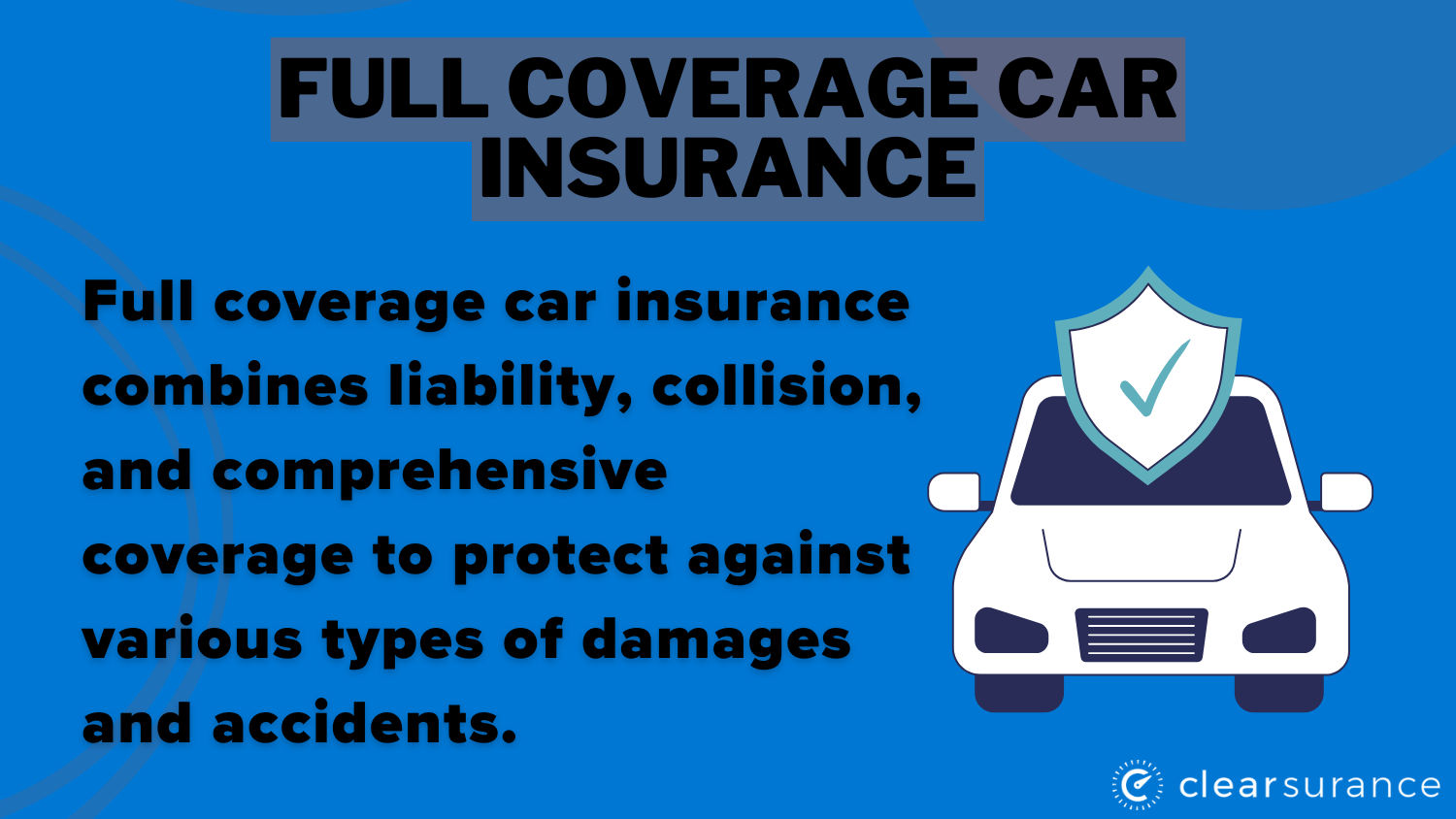
Drivers Insurance Quote: Compare Coverage and Find Affordable Car Insurance
Car Insurance: Get Competitive Quotes and Choose Suitable Coverage
Car Insurance Vehicle Comparison
Driving Insurance Comparison
.jpeg)
Car Insurance Quotes